Broke, Burned Out, and Winning: The Dark Sport of Performing Your Own Collapse
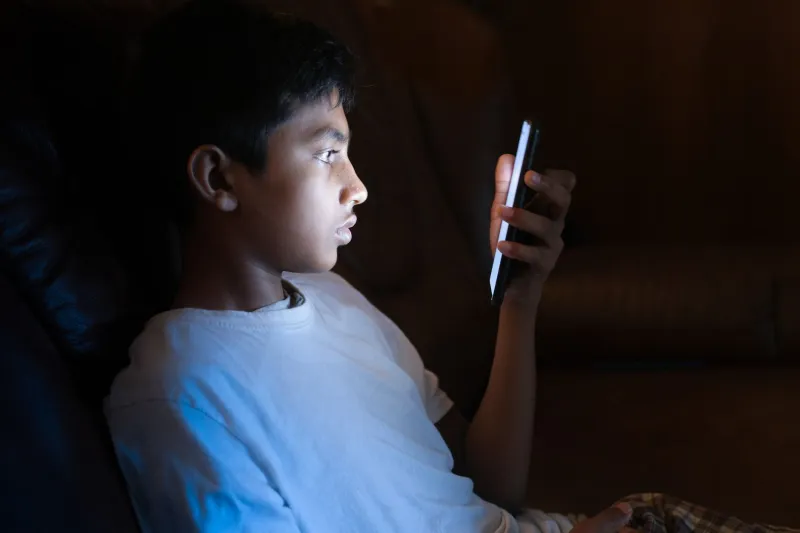
Somewhere between the therapy-speak and the sad girl aesthetic, something quietly shifted. Talking about your mental health stopped being radical and started being résumé material. Depression became a personality. Burnout became a brand. And if you're just fine — like, genuinely, boringly okay — well, that's almost embarrassing to admit out loud.
Welcome to the Suffering Olympics. Medals not included. Engagement very much is.
The Leaderboard Nobody Admits Exists
It didn't happen on purpose. Or maybe it did — it's genuinely hard to tell anymore. What started as a legitimate cultural push to destigmatize mental illness slowly, quietly, morphed into something with its own internal economy. The more specific your pain, the more authentic you read. The more publicly you fracture, the more the algorithm rewards you with reach.
Spend twenty minutes on mental health TikTok — or what the algorithm now gently shepherds toward you once you've lingered too long on anything with lo-fi music and a crying emoji — and you'll clock the pattern fast. Videos aren't just confessional; they're comparative. "I have ADHD, anxiety, depression, and CPTSD" isn't just a disclosure, it's a flex. Comments don't just offer comfort — they counter-bid. Same, but mine's worse because...
This isn't a callout. It's an observation about what happens when you take something deeply human — the need to be witnessed in your pain — and run it through an engagement engine that rewards escalation.
Authenticity as Performance, Performance as Authenticity
Here's the paradox that makes this whole thing so slippery: a lot of it is real. The anxiety is real. The burnout is real. The depression is real. Gen Z inherited a world on fire, walked into a pandemic during their formative years, got handed an economy that treats homeownership like a punchline, and is somehow supposed to be fine about all of it.
So the feelings are genuine. But the presentation of those feelings has been optimized — maybe unconsciously, maybe not — for maximum social return.
There's a term therapists have started using in clinical contexts: "performed distress." It doesn't mean fake distress. It means distress that has been, even slightly, shaped by the audience watching it. You might cry for real, but you also know the camera's on. You might genuinely be exhausted, but you've learned that exhaustion framed a certain way gets 40,000 saves.
The question isn't whether the pain is real. It's whether broadcasting it is making it better — or just making it louder.
The Authenticity Arms Race
Saying you're struggling used to be the vulnerable move. Now it's table stakes. To actually stand out in the mental health content ecosystem, you have to go further — more specific, more raw, more willing to say the thing people are afraid to say. The bar keeps rising, and the people trying to clear it keep having to dig deeper into themselves to find something that hasn't been said yet.
This creates a weird feedback loop. The more normalized mental health disclosure becomes, the more you have to perform your illness to be taken seriously. Mild anxiety doesn't get engagement. Crippling, life-altering, can't-leave-the-house anxiety does. Which means people are either genuinely suffering more than they're letting on in casual conversation, or they're amplifying their experience to match the expected register of the platform.
Probably both. Simultaneously. In ways that are nearly impossible to untangle.
What's particularly strange is how this intersects with identity. For a significant chunk of Gen Z, mental health diagnoses aren't just medical facts — they're community memberships. Finding out you have ADHD doesn't just explain things; it gives you a TikTok niche, a subreddit, a shared vocabulary, a tribe. Which is genuinely useful! Community helps. But it also means the diagnosis carries social weight, which changes the incentive structure around seeking and sharing it.
The Fine Tax
Here's the tell: admitting you're okay has started to feel like a social liability.
Say you're doing well on a platform where everyone is performing their worst days, and you read as either out of touch, unaware of your own damage, or — worst of all — basic. There's an implicit cultural message that depth requires suffering, that people who aren't struggling just aren't paying attention to the world. Stability, in this economy, is suspicious.
So people who are genuinely doing alright sometimes perform a version of struggle they don't entirely feel, because the alternative is feeling shallow. And people who are actually struggling sometimes can't tell anymore whether they're expressing something real or auditioning for an audience they've internalized so deeply they can't find the seam.
That's the void Voidframe keeps circling back to: the place where the self and the feed become indistinguishable.
Does Any of This Actually Help?
Fair question. And the honest answer is: sometimes, genuinely, yes.
Visibility matters. For a lot of people — especially in communities where mental health has been stigmatized, ignored, or pathologized in racist and classist ways — seeing someone talk openly about depression or anxiety online was the first time they felt like their experience was real. Legitimate. Worth addressing. The internet did that. TikTok did that. Credit where it's due.
But there's growing research suggesting that certain kinds of online mental health disclosure — particularly the kind optimized for engagement rather than genuine processing — can actually deepen distress rather than alleviate it. Rumination dressed up as vulnerability. Venting that never reaches resolution because resolution doesn't get shares.
Therapists call the healthy version "narrative processing" — turning your experience into a story helps you understand it. But the social media version often skips the processing part and goes straight to the broadcast, which means you're performing the wound without ever cleaning it.
Who Profits From Your Public Breakdown
Let's not forget the obvious: the platforms are not neutral infrastructure here. Every time someone posts a mental health confession that hits, the algorithm learns. Mental health content performs because it generates emotional responses — saves, shares, comments from people who see themselves in it. That emotional resonance is data. It's monetizable.
You are not just healing in public. You are generating content. Your bad brain chemistry is a vertical.
And the brands know it. "Mental health awareness" has become a marketing category. Companies post about burnout while enforcing 60-hour work weeks. Wellness apps use anxiety to sell subscriptions. The whole ecosystem has learned to speak fluent suffering because suffering, it turns out, converts.
The Way Out Isn't Silence
None of this means you should stop talking about how you're doing. The answer to performative vulnerability isn't performative stoicism — we've already run that experiment and it went badly.
But maybe there's something worth recovering in the idea of private struggle. The journal that nobody reads. The conversation with one person who actually knows you. The therapy session that doesn't get clipped for content. The feeling that doesn't need to be validated by strangers to be real.
You don't have to win the Suffering Olympics. You don't have to compete at all. The leaderboard isn't tracking anything that matters, and the prize is just more of the same loop.
Sometimes the most radical thing you can do is feel something and not post it. Let it just be yours for a minute. See if it still exists without an audience.
Spoiler: it does.