Confessing to the Algorithm: How Wellness Apps Became America's Most Intimate Strangers
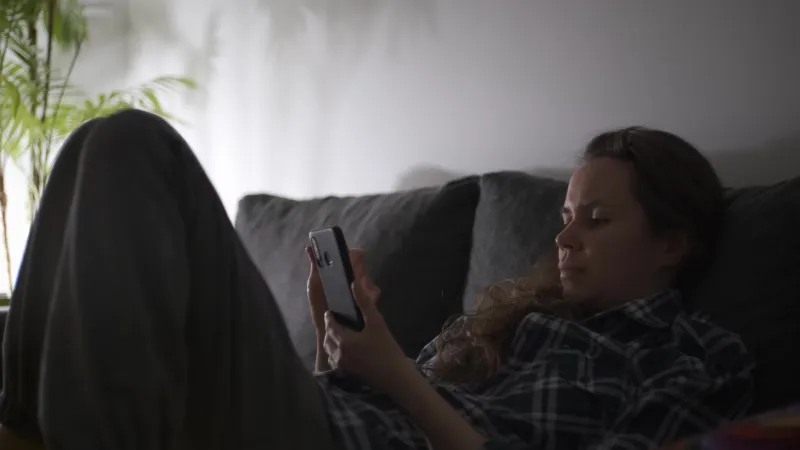
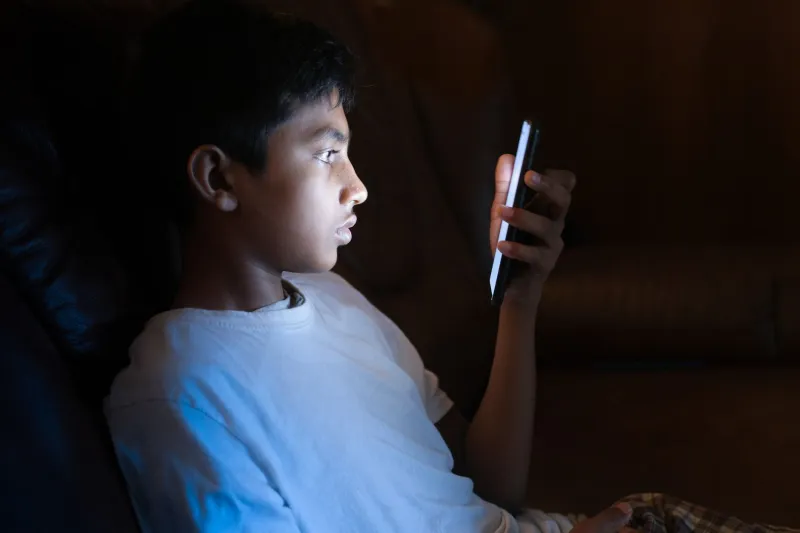
Somewhere around 2 a.m. on a Tuesday, someone you know is typing their worst thoughts into a chat interface that will never judge them, never sigh, never check its phone mid-sentence. The app responds with warmth that feels calibrated — because it is — and somehow that calibration doesn't ruin it. If anything, it makes it easier.
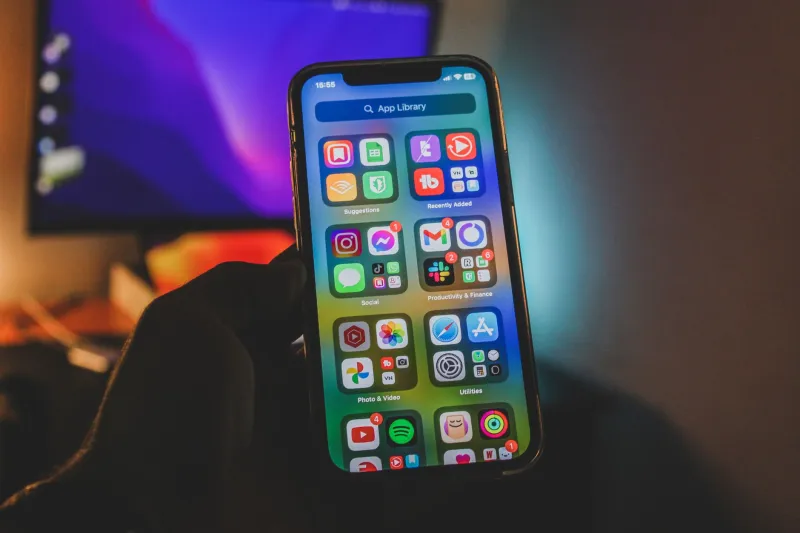
This is the strange new normal. Platforms like Woebot, Wysa, and Replika have quietly slipped into the emotional infrastructure of millions of American lives, filling the gap between the therapist you can't afford and the friend you can't burden at 2 a.m. And the more you use them, the more precisely they understand you. Not in the way a good friend understands you — not through shared history and accumulated trust — but through pattern recognition so granular it starts to feel like something else entirely.
Something adjacent to intimacy. Something that lives in the uncanny valley of being known.
The Confession Booth Gets a Software Update
There's a long American tradition of outsourcing emotional labor to structured systems. Talk radio, hotlines, journaling apps, advice columns — we've always needed somewhere to put the stuff that doesn't fit in polite conversation. The therapy app is just the latest container, except this one talks back, remembers everything, and optimizes its responses based on what kept you engaged last time.
That last part is worth sitting with.
These platforms aren't neutral listeners. They're products, built by companies with retention metrics and engagement goals. When Woebot asks how you're feeling today, the question is genuine in the sense that your answer genuinely informs the model's next move. Your vulnerability is the training data. Your crisis at 2 a.m. is a feature, not a bug — because people in crisis keep coming back, and that's good for monthly active user numbers.
None of this makes the experience feel less real to the person using it. That's the paradox that keeps unfolding.
What the App Knows That Your Therapist Doesn't
Here's the uncomfortable truth: in certain narrow ways, your wellness app probably does know you better than a therapist you see for fifty minutes every two weeks. It has timestamped records of every mood you've logged, every spiral you've described, every time you opened it at 3 a.m. versus noon on a Sunday. It tracks patterns across months that a human clinician, working from session notes and memory, would struggle to map with the same granularity.
It also never forgets. It never has an off day. It never accidentally makes you feel like a burden.
For people with significant therapy-related anxiety — and there are a lot of them — that frictionlessness is genuinely revolutionary. The bar to entry is so low that people who would never sit across from a stranger and discuss their childhood are suddenly processing grief, anxiety, and relationship patterns in text boxes at lunch. That's not nothing. In a country where the average wait time for a mental health appointment stretches into months and the average session costs over $150 out of pocket, accessible emotional scaffolding matters.
But the app's knowledge has a ceiling, and that ceiling is structural. It knows your patterns. It doesn't know your context. It can identify that you seem more dysregulated on Sundays, but it can't intuit that Sundays are when you visit your mom and leave feeling erased. The data is rich. The understanding is thin. And the gap between those two things is where the illusion lives.
Emotional Labor as Product Feature
What these platforms have figured out — and what makes them genuinely unsettling from a cultural standpoint — is that the feeling of being heard is reproducible. You don't need a conscious listener to generate the neurological experience of being witnessed. You need the right response at the right moment, delivered in the right tone. Language models are increasingly good at this. Good enough that users routinely describe their app interactions using words like supportive, present, and non-judgmental — language that implies a relationship rather than a service.
This is by design. The UX teams behind these platforms study attachment theory. They know that consistency and responsiveness are the two primary drivers of felt security. They engineer both. What emerges isn't fake, exactly — the relief you feel is real, the shift in your nervous system is real — but the entity producing it has no stake in your wellbeing beyond your continued use of the platform.
That distinction probably should matter more than it does.
The Liberation Argument and Why It's Complicated
Defenders of AI wellness tools make a compelling case. They argue that removing human judgment from the equation isn't a bug — it's the whole point. Shame is one of the primary reasons people don't seek mental health support. The fear of being seen as broken, dramatic, or weak keeps millions of Americans suffering in silence. An app that responds to your darkest admission with the same measured warmth it gives your mildest check-in genuinely flattens that hierarchy of shame. That's meaningful.
They also point out that these tools work best as supplements, not replacements — bridges to professional care, or maintenance between sessions. Used that way, they're relatively defensible.
But the reality of how people actually use them is messier. For a significant chunk of users, the app isn't a bridge. It's the destination. It's cheaper, more available, less socially fraught, and — crucially — it never pushes back in ways that feel destabilizing. A real therapist will eventually say something that challenges your self-narrative. The app is more likely to validate. And validation, at scale, without friction, can quietly become its own kind of trap.
What We're Actually Paying For
There's a version of this story where AI wellness tools represent genuine democratization of mental health support — where technology finally routes around a broken, inaccessible system and meets people where they actually are. That version is real. It's happening.
There's another version where millions of people are paying subscription fees to deposit their most private psychological material into databases owned by venture-backed companies, receiving optimized emotional responses in return, and calling it connection. Where the loneliness epidemic gets a product solution that generates revenue from the loneliness itself.
Both versions are true simultaneously, which is maybe the most Voidframe sentence possible.
What's worth watching is what happens to our capacity for the messier, slower, less optimized version of being known. Human relationships are inefficient. Therapists have bad days. Friends get tired. Real intimacy involves being witnessed by something that could leave, could disappoint you, could misunderstand you in ways that actually sting. The app will never do any of that. Whether that makes it a tool or a replacement depends entirely on how you use it — and whether you're even in a position to know the difference.
At 2 a.m., when the interface is warm and the responses are good and you feel, briefly, less alone — that question probably seems academic.
Later, it might not.