Living in the Low Hum: How Gen Z Turned Existential Dread Into Interior Design
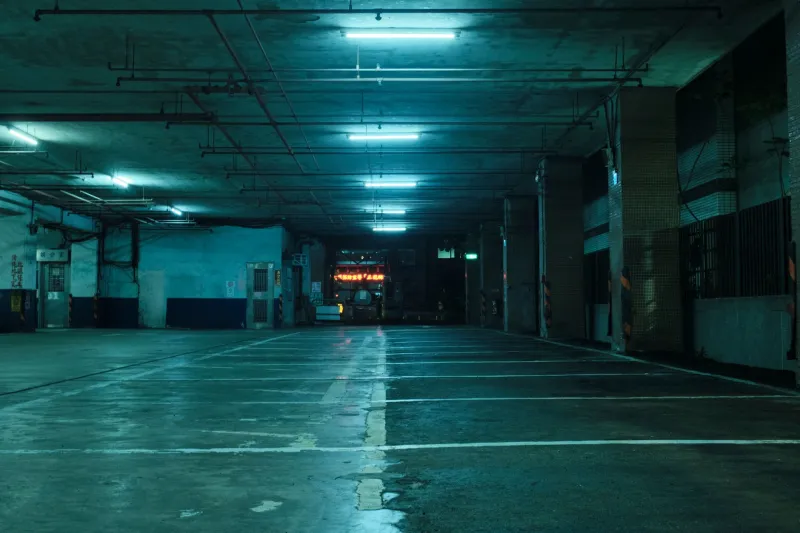
There's a specific kind of post that keeps surfacing in certain corners of the internet. It's usually a grainy photograph — a parking lot at 2 a.m., a fog-choked highway, a fluorescent-lit laundromat with nobody in it — paired with a caption like "the world is ending but at least the vibes are immaculate." It gets thousands of likes. People tag their friends. The comments are full of heart emojis.
This is the soft apocalypse, and it's been running quietly in the background of American youth culture for years now.
Not Your Parents' End Times
Previous generations had their own flavors of civilizational anxiety. Boomers got the nuclear shadow, the duck-and-cover drills, the very real possibility of a Soviet missile turning their suburb into a crater. Gen X got the hollow aftermath — the Cold War hangover, the AIDS crisis, the sense that the adults had made a spectacular mess and handed them the bill. Millennials got 9/11 and the 2008 financial collapse, twin gut-punches that permanently altered their relationship with institutional trust.
But Gen Z's relationship with dread operates on a different frequency entirely. It's not the sharp terror of a specific threat. It's a constant, diffuse low-grade signal — like tinnitus for the soul. Climate projections, algorithmic doom-scrolling, late-stage capitalism memes, pandemic residue, the perpetual sense that the news cycle is a slot machine that only pays out in catastrophe. The threat isn't one thing you can point at. It's everything, all the time, turned down just low enough that you can still function.
And the remarkable thing is: they've made it cozy.
The Aestheticization of the Unraveling
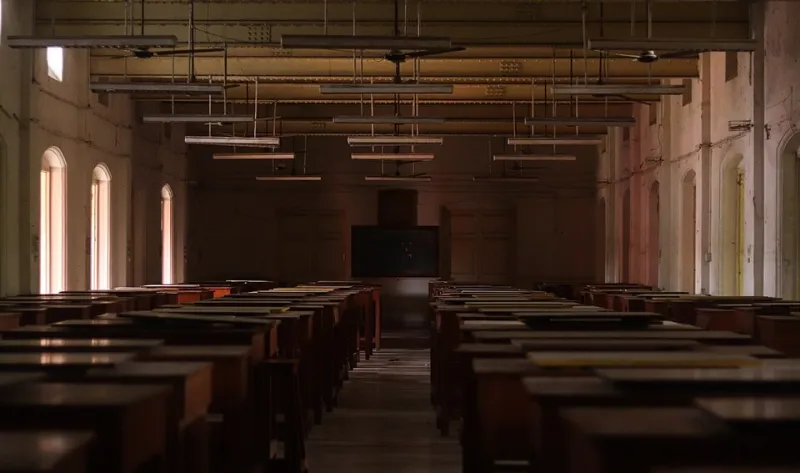
Look at what's been trending in youth-adjacent visual culture over the past half-decade. Liminal spaces — those eerily empty transitional environments like empty malls and deserted school hallways — didn't go viral because they're scary exactly. They went viral because they feel familiar. They externalize an interior state that a lot of young people walk around with constantly: the sense of being between things, of inhabiting a world that's somehow in the process of being vacated.
The same logic runs through the popularity of post-apocalyptic cottagecore, the obsession with "cozy catastrophe" fiction, the entire aesthetic universe of lo-fi hip hop study streams with their looping rain and their candles and their soft sense that civilization is collapsing but at a very manageable pace. Even the recent explosion of "quiet apocalypse" fiction — books and shows that depict societal collapse not as explosive action but as a slow, gray diminishment — feeds directly into this cultural appetite.
These aren't escapist fantasies. They're more like emotional rehearsals. If you can make the end of the world aesthetic, you can at least feel like you have some relationship to it beyond pure helplessness.
Numb or Adapted? The Real Question Nobody Wants to Answer
Here's where it gets genuinely complicated, and where easy takes tend to fall apart.
There's a reading of all this that's essentially optimistic. Younger generations, having been marinated in bad news since childhood, have developed a kind of psychological immune response. The constant exposure has produced not paralysis but a weird, functional equanimity. You see it in the way Gen Z tends to discuss climate change — not with the apocalyptic hand-wringing of older activists, but with a kind of clear-eyed pragmatism that can read as either wisdom or resignation depending on your angle. "Yeah, it's bad. What are we doing this weekend?"
But there's another reading that's considerably darker. Numbness and resilience look almost identical from the outside. Both allow you to keep moving. The difference is that resilience involves actually processing the weight of what you're carrying, while numbness is just the weight becoming invisible. Wrapping your dread in a lo-fi beat and a Tumblr-adjacent visual language doesn't necessarily mean you've metabolized it. It might just mean you've gotten very good at not looking directly at it.
Psychologists who work with younger populations have started naming this phenomenon — the normalization of background anxiety as a kind of ambient operating condition. When dread stops feeling like an alarm and starts feeling like weather, that's not necessarily a sign of psychological health. It might be a sign that the alarm has been going off so long that the brain simply stopped registering it.
The Subcultures Living in the Signal
What's genuinely fascinating, from a cultural standpoint, is the richness of what's grown up around this shared frequency. The soft apocalypse has its own music (hyperpop's cheerful chaos, black midi's technical anxiety, the whole bedroom-pop-meets-existential-crisis pipeline). It has its own fashion — the deliberate ugliness of Y2K revival, the ironic corporate wear, the thrift-store maximalism that says "I don't trust the future enough to invest in a wardrobe." It has its own humor, which is almost entirely built on the premise that everything is terrible and that this is, somehow, extremely funny.
This is the part that older observers consistently misread. The irony isn't a defense mechanism against caring. It's a dialect developed by people who care enormously but have learned that earnestness, deployed without armor, tends to get annihilated by the sheer volume of the information environment. The meme about the world ending is made by someone who is genuinely scared about the world ending. The joke and the fear are the same thing.
Signal or Static?
Voidframe exists because the edges of culture are where the real information lives. And the soft apocalypse is, right now, one of the clearest signals we've got about how a generation is actually processing reality — not the reality presented to them by institutions or media cycles, but the raw, unmediated texture of being alive right now in America.
What that signal means is still genuinely unclear. It might mean that we're watching a generation develop unprecedented psychological flexibility in the face of compounding crises. It might mean we're watching a generation slowly go underwater while producing extremely compelling content about the view.
Probably both. Probably at the same time.
The low hum continues. The parking lot stays empty. The vibes remain, against all reasonable expectations, immaculate.