Stuck on Loading: Why Gen Z Turned the Spinning Wheel Into Sacred Geometry
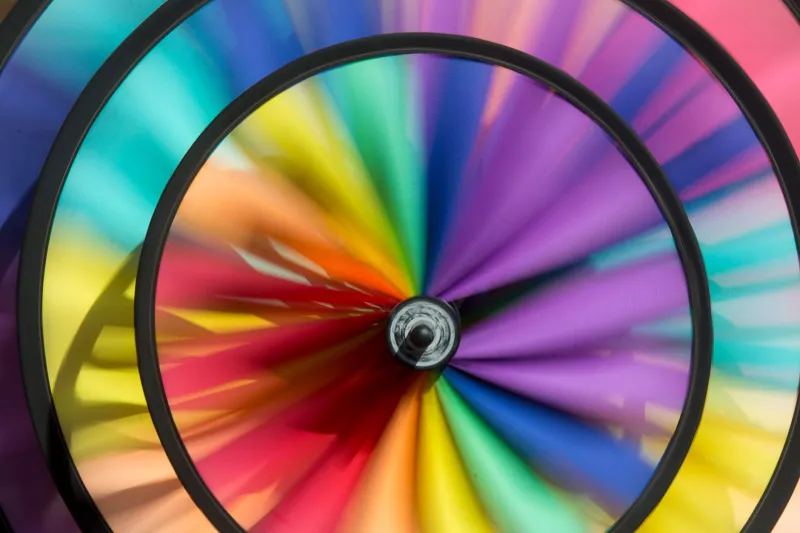
There's a particular kind of hell in watching a progress bar freeze at 97 percent. You've already surrendered the time. You've already leaned in. And then nothing — just that thin sliver of incomplete, mocking you from the corner of the screen. Most people close the tab and move on. A growing number of artists are screenshotting it and calling it a self-portrait.
Something genuinely strange is happening at the intersection of digital design and emotional honesty. Loading screens, connection timeouts, spinning cursors, and bandwidth throttle artifacts — the visual debris of a network under strain — are getting reclaimed. Not ironically. Not as nostalgia. As a legitimate aesthetic language for expressing what it actually feels like to exist right now.
The Liminal Screen
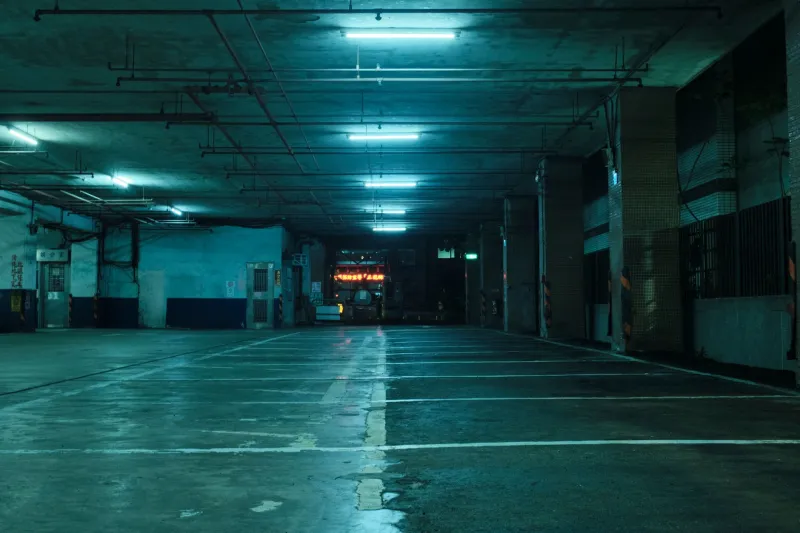
There's a word that gets thrown around in online theory spaces a lot lately: liminal. It describes the threshold state, the in-between, the moment that belongs to neither here nor there. Abandoned malls. Empty airports at 3 a.m. Loading screens fit the definition almost too perfectly.
When your video buffers, you're suspended. You haven't arrived at the content you wanted, but you haven't left either. You're held in a kind of digital purgatory — present enough to be annoyed, absent enough to feel untethered. For a generation raised on the promise of instant gratification and delivered mostly broken infrastructure and rising rents, that suspended state feels less like a glitch and more like a condition.
Designers in niche Tumblr and Cargo spaces started noticing this a few years back. Small editorial projects began incorporating fake loading animations into their layouts — not as functional UI, but as texture. The bar that fills and then resets. The connection icon that flickers between one bar and none. These elements don't tell you anything useful. They just make you feel something familiar.
Anxiety Has a Frame Rate
What's interesting about buffering as an aesthetic choice is how precisely it maps onto a specific emotional register. It's not panic. It's not despair. It's the low-grade, persistent hum of almost — the feeling of being perpetually on the verge of something that keeps not arriving.
Several independent animators working in the lo-fi and experimental video space have started building this directly into their work. Deliberately dropped frames. Artificial compression artifacts. Titles that load letter by letter, then stall. The aesthetic vocabulary of a bad connection used as intentional punctuation.
One common thread in how these creators talk about it: the buffering screen is honest in a way that polished content isn't. A high-production video tells you everything is fine, everything is smooth, everything was planned. A buffering screen tells you the system is under strain. It tells you something is being asked of the infrastructure that the infrastructure can't quite deliver. Which, if you squint, is basically a metaphor for most people's lives in their twenties right now.
The Progress Bar as Self-Portrait
There's a specific subset of this trend that's worth sitting with: artists using loading iconography as literal autobiography.
Think about what a progress bar actually communicates. You're X percent through something. The remaining distance is visible but unfinished. The bar is a promise the system makes to itself — I am working on this, I will complete this — and sometimes it keeps that promise and sometimes it just... stops.
Several designers working in zine culture and experimental print have started incorporating loading bar graphics into pieces about burnout, mental health, and the experience of being young and economically precarious in America. A bar frozen at 63 percent with the label "career trajectory" underneath it. A spinning wheel captioned "waiting for the system to respond." These aren't subtle, but they don't need to be. The visual shorthand does the emotional work immediately because everyone reading them has lived it.
What's compelling here isn't the cleverness of the metaphor — it's how readily the audience receives it. The buffering screen has become a shared cultural symbol with almost no effort, because it describes a shared experience with almost no distortion.
Error Messages as Emotional Vocabulary
Beyond loading screens, the broader family of connection error visuals is getting similar treatment. The dinosaur that appears in Chrome when you're offline. The "This site can't be reached" page. The spinning beach ball on a Mac that's been asked to do too much.
These are designed to communicate failure, but they've accumulated emotional resonance that goes well beyond their function. The Chrome dinosaur in particular has become a kind of mascot for a certain flavor of disconnection — the moment when the network drops away and you're suddenly alone with yourself and a pixelated prehistoric animal.
Content creators on platforms like Instagram and YouTube have started using these error-state visuals as transitions, as chapter breaks, as aesthetic signatures. The message is never quite stated but it lands clearly: I am also running on limited bandwidth. I am also sometimes unreachable. I contain buffering.
Waiting as Resistance
There's a more pointed reading of all this, one that some of the artists working in this space are fairly explicit about. In a media environment that optimizes relentlessly for zero friction — autoplay, infinite scroll, instant load, seamless transition — the deliberate introduction of waiting is a small act of refusal.
It says: this will not be frictionless. You will be asked to pause. The pause means something.
That framing gives the aesthetic a political edge it might not initially seem to have. The buffering screen isn't just emotionally honest — it's structurally resistant. It breaks the contract that most digital content makes with its audience, the implicit promise that your attention will be rewarded with uninterrupted flow. Instead, it hands you a spinning wheel and asks you to sit with the discomfort of not yet.
For a generation that has been told, repeatedly, that their discomfort is a personal optimization problem rather than a structural one, that feels like a meaningful statement.
The Signal in the Noise
None of this is entirely new, of course. Glitch art has been a recognized movement for years. Net art in the early 2000s played constantly with the aesthetics of broken interfaces. What feels different now is the emotional register — less playful, less ironic, more earnest.
The buffering screen as deployed by contemporary artists isn't being used to comment on technology, exactly. It's being used to describe a feeling. The feeling of being almost connected. The feeling of watching a promise stall out. The feeling of being held in suspension by systems you didn't design and can't control, waiting for a signal that may or may not arrive.
That's not a glitch. That's a portrait.
And honestly? It loads pretty fast.