Nobody's Home: The Strange Comfort of Watching Empty Streams
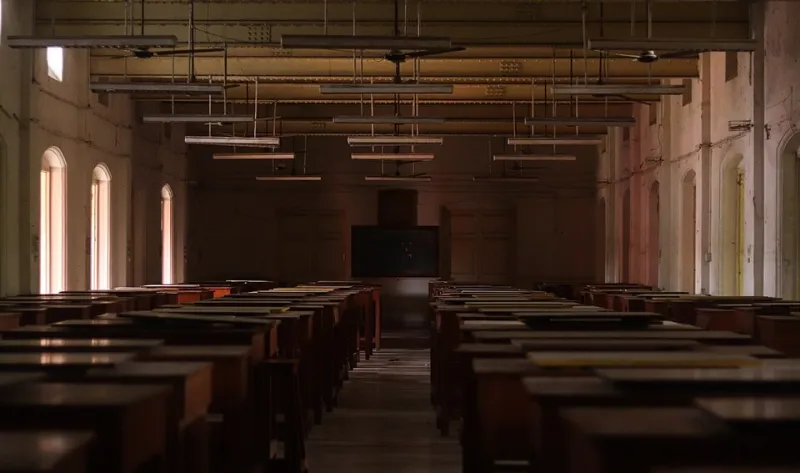
Photo: Saran Rengaraj, CC BY-SA 4.0, via Wikimedia Commons
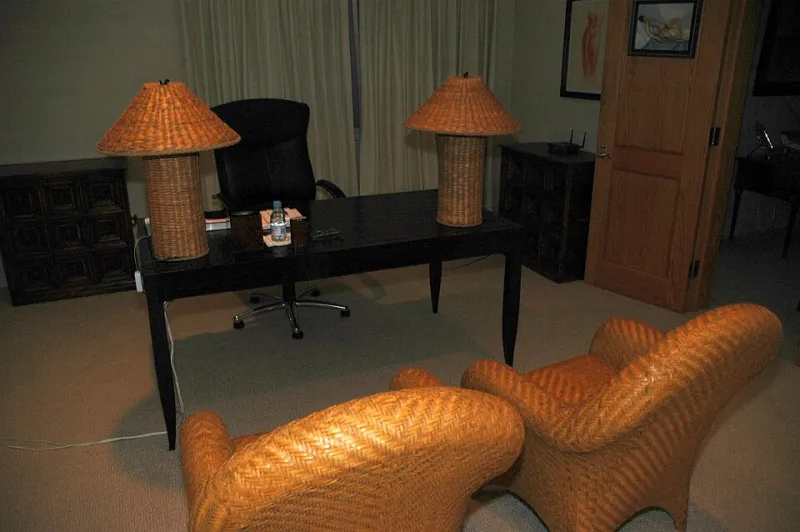
It's 2am on a Tuesday and approximately 4,200 people are watching a Twitch stream of an empty desk. The streamer isn't there. There's no overlay, no donation alerts, no hype train. Just a desk lamp casting orange light over a keyboard and a half-empty water glass. The chat is moving at a slow scroll — mostly ellipses, a few "cozy" emojis, someone typing "same" into the void every few minutes.
This is not a glitch. This is the content.
The Stream That Streams Nothing
Call it void-casting, ambient streaming, or the less flattering "boring stream" — the genre has exploded quietly across Twitch, YouTube Live, and a handful of smaller platforms over the past few years. The format is exactly what it sounds like: streamers broadcasting static, empty rooms, rain loops, lo-fi visual noise, or just the ambient sound of their apartment while they sleep. Viewers watch. Sometimes for hours.
The numbers are not fringe. Popular ambient streams regularly pull concurrent viewership that mid-tier gaming streamers would envy. A YouTube channel called "Rainy Day Café" — which is exactly what it sounds like, a looped video of rain on a café window with soft background noise — has racked up millions of watch hours. Several Twitch streamers have built four-figure subscriber counts almost entirely off sleeping streams, where the whole bit is that they're unconscious and you're just... there with them.
The question everyone asks when they first hear about this is obvious: why? Why would anyone watch nothing when there is genuinely infinite content available at all times?
But that question kind of answers itself.
The Exhaustion of Everything
We are living through what might be the most overstimulated media moment in human history. The average American adult is making hundreds of micro-content decisions every single day — what to play, what to queue, what to scroll past, what to share. Every platform is competing for your attention with increasingly sophisticated psychological hooks. Every piece of content is optimized to make you feel something, urgently, before you swipe away.
Ambient streams are the anti-product of that environment. They don't want anything from you. They're not trying to make you laugh or cry or buy anything. They're not building toward a reveal. The rain just keeps raining. The desk lamp just keeps glowing. Nothing happens, and that's the whole point.
For a lot of viewers, especially people dealing with anxiety, ADHD, or just the generalized modern condition of feeling permanently overstimulated, that absence of demand is genuinely therapeutic. It's something to have on without having to engage with it. A kind of companionship without the social labor.
The Parasocial Twist
Here's where it gets interesting, though — and a little strange. The most successful void-streamers aren't just running ambient noise. They're building actual communities around the absence of content.
Take a streamer who goes by the handle "floorboards" on Twitch. Her streams are mostly her apartment at various hours — sometimes she's asleep, sometimes she's in the kitchen just out of frame, sometimes she's there and working silently. She almost never talks directly to chat. And yet she has a deeply loyal subscriber base who show up regularly, recognize each other in the chat, and have developed real affection for the specific textures of her space — the way the light changes in the afternoon, the sound of her upstairs neighbor's footsteps, the particular creak of what regular viewers have named "the chair."
This is parasocial relationship-building stripped down to its bones. No personality performance required. No highlight-reel charisma. Just presence — the ambient fact of another human being existing in a space, transmitted live.
It's intimate in a way that high-production streaming rarely manages to be.
Ambient Entertainment as Avant-Garde Art Form
There's a lineage here that the academic types have started to trace. John Cage's 4'33" — the famous 1952 composition that is just a performer not playing for four minutes and thirty-three seconds — was making a similar argument: that silence, framed correctly, becomes content. That attention itself is the art.
Brian Eno's whole concept of ambient music, which he developed in the late '70s after an accident left him bedridden and unable to turn up a record player, was built around the idea of sound that could be actively listened to or allowed to blend into the environment. "As ignorable as it is interesting," he wrote.
Void-streaming is basically Eno's ambient music applied to video. The stream can fill your background or you can pay attention to it. Both are valid. The content accommodates your level of engagement rather than demanding it.
What's wild is that this is happening organically, driven by streamers who probably haven't read a word of Eno's liner notes, arriving at the same aesthetic conclusion through completely different cultural pressures.
The Void Has a Vibe
There's also something happening here that's specific to the current cultural moment and its relationship to authenticity. A lot of the most popular ambient streams have a very particular aesthetic — muted colors, practical lighting, lived-in spaces. No ring lights. No green screens. No branded hoodies.
This is deliberate anti-production, and it reads as realness in a media environment where everything else is polished to the point of feeling synthetic. The water glass on the empty desk is real. The creak of the chair is real. Nobody curated that for your consumption.
In a weird way, watching nothing is one of the most authentic viewing experiences currently available.
What the Empty Stream Is Actually Saying
Here's the read we keep coming back to: the rise of void-casting is a symptom of a culture that has been sold the idea that entertainment should be maximally engaging at all times, and is quietly, collectively, rejecting that premise.
People don't always want to be entertained. Sometimes they want to be accompanied. Sometimes they want to feel like they're in a room with another human being without the pressure of actual human interaction. Sometimes they want something on that won't make demands of them.
The empty stream isn't a failure of content. It's a critique of content, delivered passively, by thousands of people who never once thought of it that way.
The desk lamp keeps glowing. The rain keeps hitting the window. Chat types "same" into the void.
Somewhere, 4,200 people feel a little less alone.