Paying Good Money for Dead Links: The Wild Market for Vintage Internet Artifacts
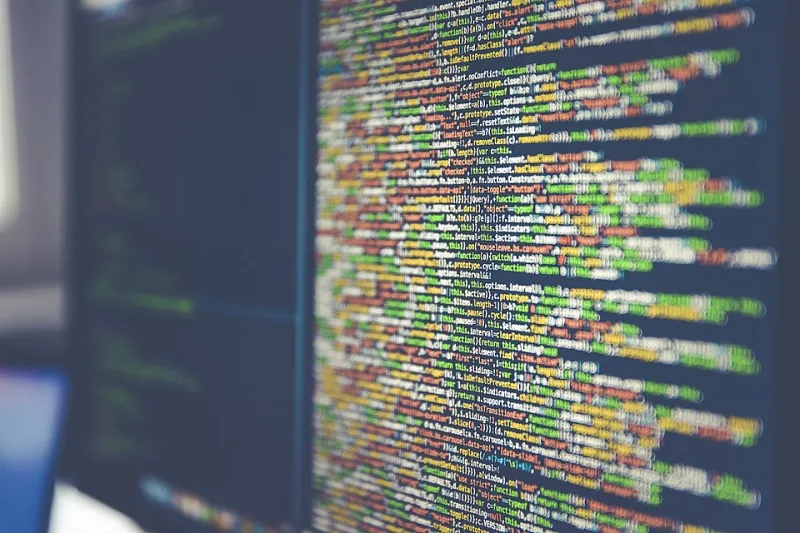
Photo: Markus Spiske markusspiske, CC0, via Wikimedia Commons
There's a GeoCities page from 2001 that no longer technically exists. Its original server died sometime around 2009 when Yahoo pulled the plug on the whole platform. But an archived snapshot of it — complete with spinning GIF flames, a MIDI file of Linkin Park's In the End, and a heartfelt bio written by a 14-year-old from Ohio — recently sold in a private digital marketplace for just under $800.
The buyer was a 31-year-old UX designer from Portland. He doesn't know who made the page. He doesn't care. He just wanted to own it.
Welcome to the nostalgia economy, where the rubble of early internet culture is quietly becoming luxury product.
The Archaeology of the Extremely Online
Digital archaeologists have existed in informal circles for years — obsessive archivists who comb through the Wayback Machine, mirror old forum databases, and stitch together screenshots of platforms that vanished before most people thought to screenshot anything. But lately, something shifted. The archiving impulse got a price tag.
Platforms like Geocities.ws, scattered Discord servers, and a handful of semi-private online marketplaces now facilitate actual transactions around defunct digital artifacts. We're talking archived Angelfire sites, exported Tumblr databases from accounts that have since been purged, early-era Friendster profile captures, even cached AOL chatroom logs. Stuff that lives only in compressed file folders and cracked hard drives.
The buyers skew millennial, mostly 28 to 38, and they'll tell you the same thing: it's not about the content. It's about the texture. The broken formatting. The Comic Sans. The evidence that a real human being was fumbling toward self-expression in a moment before the internet knew what it was supposed to look like.
Why Corrupted Feels Authentic
There's a cultural logic here that actually tracks. We live inside an internet that has been aggressively optimized — for engagement, for monetization, for retention. Every corner of the modern web has been sanded smooth by A/B testing and platform guidelines and brand-safety concerns. Nothing feels accidental anymore.
Early web artifacts are the opposite of that. A GeoCities page from 1998 is pure, unmediated intent. Nobody was thinking about their personal brand. Nobody was worried about the algorithm. Someone just wanted to tell the world they really loved Dragon Ball Z and also their cat Mittens, and they did it with absolutely zero self-consciousness and a background tile of tiny stars.
That rawness is genuinely rare now. And scarcity, as any economist will tell you, creates value.
Digital artist and collector Maya Osei, who runs one of the more active trading communities around vintage web artifacts, puts it plainly: "People are paying for proof that the internet used to feel like something. Like it had a body temperature."
The Anxiety Underneath the Auction
But there's something darker running under all of this, and it's worth sitting with. The boom in vintage internet collecting isn't just nostalgia — it's a response to digital impermanence anxiety, the creeping dread that nothing we make online will actually survive.
We've watched platforms die. Vine. Vine, which felt genuinely culturally significant to an entire generation, is gone. Google+ took years of posts with it. Tumblr's 2018 content purge wiped out entire communities, entire aesthetics, entire subcultures that had nowhere else to live. The internet doesn't have a great track record of taking care of its own history.
So people are starting to act like archivists out of self-defense. Downloading their own data. Screenshotting before they share. And for some, actually purchasing physical drives or authenticated file packages of dead platforms — because owning it feels safer than trusting a server somewhere to keep it alive.
There's real grief in this market. The 31-year-old from Portland with his GeoCities page isn't just buying a novelty. He's buying back a version of the internet that made him feel a specific way, and that version is not coming back.
What Counts as Authentic in a Digital Artifact?
This is where things get philosophically messy. Physical antiques have provenance. You can trace a vintage piece of furniture through ownership records. A digital artifact is just... a file. It can be copied infinitely. So what does it even mean to "own" an archived webpage?
The market has developed some loose authenticity signals — original file timestamps, metadata trails, corroborating Wayback Machine records — but it's still genuinely murky. Some collectors don't care. They're buying the feeling of ownership more than a legally enforceable claim. Others are more serious and treat it closer to how rare book collectors approach first editions: provenance matters, condition matters, scarcity matters.
A few collectors have started minting NFTs tied to particularly significant archived pages, which is either the perfect solution or an absolutely cursed development depending on your perspective.
The Vibe Economy Meets the Dead Web
What's interesting is that this trend is happening simultaneously with the broader "dead internet" aesthetic that's been percolating through niche online spaces for a couple years now. The idea that the "real" internet — the human, weird, unmonetized one — is already gone, replaced by bots and brand accounts and algorithmic content farms.
Buying a piece of old GeoCities isn't just nostalgia tourism. For a lot of collectors, it's a political act. A way of insisting that the messy, human, pre-optimization internet mattered, and that its death should be mourned rather than shrugged at.
The dead web has become a vibe. And vibes, in 2024, are a market.
Somewhere out there, a MIDI file of Linkin Park is playing in a folder on a designer's hard drive in Portland. He paid $800 for it. And honestly? We kind of get it.