The Cursor Knows: Inside the Screen-Recording Diary
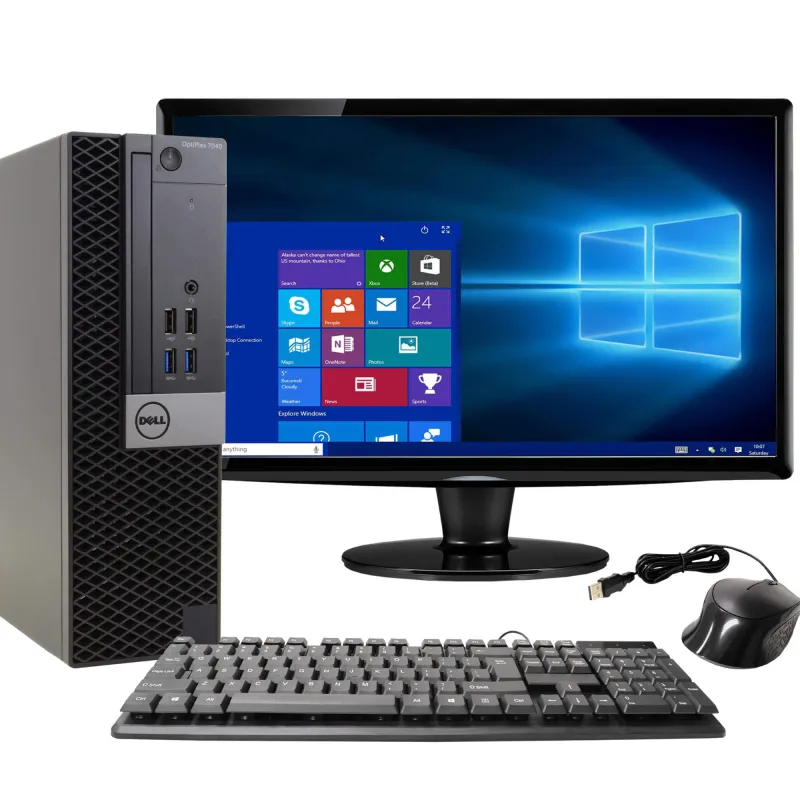
Photo: computer screen recording cursor open tabs desktop close-up, via 7dplans.com
Maya opens QuickTime, hits record, and starts her day. She doesn't narrate. She doesn't look at the camera. She just works: email, Slack, a Google Doc she's been avoiding, a text to her sister she types and deletes three times. At the end of the day, she stops the recording. The file is 9 hours and 14 minutes long. She will never watch it.
She has 47 of these files. They take up 312 gigabytes. She calls them her "screen diaries."
"I don't know why I do it," she says. "I think it's because I want proof that I was here. Not the version of me that posts. The version that opens 19 tabs and forgets what I was looking for."
Maya is 28, lives in Brooklyn, works in nonprofit communications. She's part of a quiet, scattered subculture of people who record their screens as a form of autobiography. Not for tutorials, not for content, not for productivity. For memory. For the archive of the ordinary.
The Practice
The tools are everywhere: QuickTime, OBS, Loom, the built-in screen recorder on every phone and laptop. The practice is simple. Hit record. Go about your day. Stop recording. Store the file. Repeat.
The result is a document that's almost unwatchable in its banality. Cursor movements. Scrolls. The pause before a reply. The tab you opened and closed in four seconds. The text you typed and then deleted. It's not a highlight reel. It's the raw footage of being a person on a computer.
"It's the most honest thing I've ever made," says Dev, a 34-year-old in Austin who's been recording his screen for two years. "I can't curate it. I can't filter it. It's just… what happened."
Why the Interface Is the Most Honest Text
We curate everything now. Our feeds, our photos, our bios, our replies. Even our journals are aestheticized. The screen recording is different. It captures the stuff we don't think to curate: the hesitation, the backspace, the 11-minute detour into a Wikipedia hole about a town that no longer exists.
The cursor is a kind of handwriting. It moves with intention and then stops. It hovers over a button. It drifts to the corner of the screen while you think. It's a physical trace of a mental state. And because it's so mundane, it's hard to fake. You can stage a screen recording, but you can't stage the way your hand moves when you're bored.
The Audience of None
Most screen diarists never share their recordings. Some share them with a therapist. A few share them with a partner. Almost none post them publicly. The point isn't reach. The point is the act of recording.
"It's like a diary that writes itself," says Lila, a 31-year-old artist in Baltimore who records her screen while she works on paintings. "I don't have to be articulate. I don't have to be interesting. I just have to be there."
There's a paradox here. The screen recording is a form of surveillance, but it's self-directed. It's not a company watching you; it's you watching you. Or rather, it's you creating a version of yourself that can be watched later, even if you never watch it. The file exists. That's enough.
What Gets Recorded
The content is often mundane, but the moments that matter are the in-between ones. The half-written text to an ex. The job application you start and abandon. The Google Doc where you type "I don't know" and then delete it.
"I recorded myself writing a breakup text once," says Ren, 27, in Portland. "It took me 45 minutes. I typed and deleted and typed and deleted. I never sent it. But I have the recording. It's the most honest document of that week."
These are the things that don't make it into the feed. The feed is for the finished thing. The screen diary is for the process. It's the difference between a published essay and a draft with track changes. The draft is messier, but it's also more true.
The Risk of Self-Surveillance
There's a darker side. Recording your screen for hours means recording everything: passwords, private messages, medical info, the weird searches you do at 2 a.m. The files are a liability. Some diarists encrypt them. Some delete them after a week. Some just accept the risk.
And then there's the question of performance. If you know you're recording, are you still being yourself? Or are you performing for the future version of you who might watch? The screen diarists I talked to mostly shrugged this off. "I forget it's on," Maya says. "That's the point."
The Cursor Blinks
The screen recording is a strange kind of autobiography. It's not written. It's not spoken. It's gestured. It's the movement of a cursor across a desktop, the opening and closing of tabs, the pause before a reply. It's a life measured in interface events.
And maybe that's exactly what we need right now: a way to document ourselves that doesn't look like content. A diary that isn't trying to be beautiful. A record of the ordinary, the boring, the unshareable. The cursor blinks. The recording continues. And somewhere in those 9 hours and 14 minutes, a life is happening.