Ghost Pixels: Walking Through the Metaverses Nobody Came To
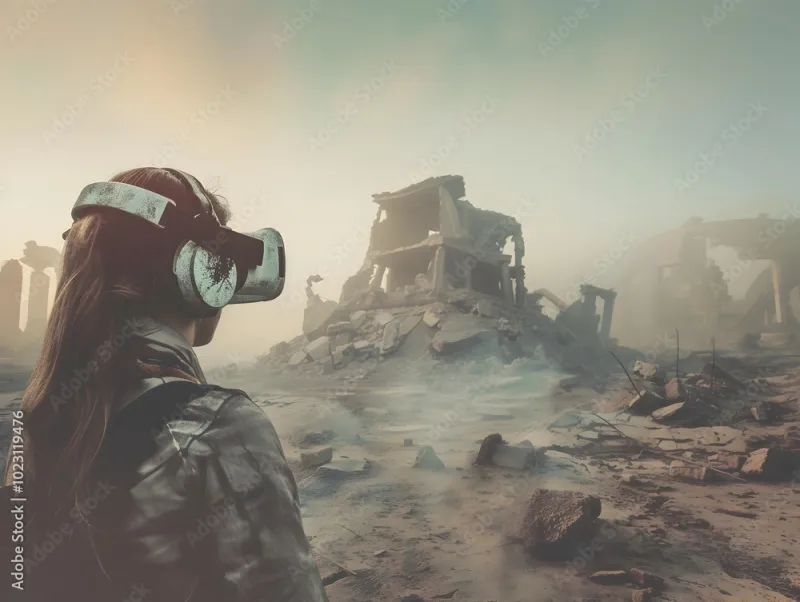
Photo: abandoned virtual world empty 3D digital landscape futuristic ruins, via as1.ftcdn.net
Somewhere on a server that nobody's paying attention to, your abandoned avatar is still standing in a virtual plaza that cost someone a hundred thousand dollars to build. The blockchain metaverse boom promised a new internet. What it left behind is something stranger—accidental monuments to collective delusion, and honestly? They're worth visiting.
How We Got Here
The pitch was intoxicating while it lasted. Somewhere between 2020 and 2022, the idea that virtual real estate could be worth real money stopped feeling insane and started feeling inevitable. Decentraland, The Sandbox, Somnium Space, Cryptovoxels—these platforms weren't just games, their backers insisted. They were the next layer of the internet. You'd own your piece of it. The deed would live on the blockchain, immutable, permanent, yours.
Snoop Dogg built a virtual mansion in The Sandbox. Major brands dropped millions on parcels of digital land. A plot of virtual real estate next to that mansion sold for nearly half a million dollars. The New York Times wrote trend pieces. Your uncle mentioned NFTs at Thanksgiving.
Then the music stopped.
By late 2022, crypto markets had cratered. The metaverse hype—never really grounded in actual user numbers to begin with—collapsed under the weight of its own absurdity. Decentraland, a platform valued at hundreds of millions of dollars, was reported to have fewer than a thousand daily active users at its peak. The Sandbox wasn't doing much better. The virtual plazas that brands had paid fortunes to build sat empty, their promotional events attended by bots and the occasional curious journalist.
What they left behind is still there. Technically.
Digital Archaeology
Logging into Decentraland today is a specific kind of experience. The interface loads slowly, a relic of the blockchain overhead that made these platforms clunky even during their promotional peak. Your avatar materializes in Genesis Plaza, the central hub, designed to be a bustling crossroads of digital civilization. Usually, there's almost nobody there.
But the stuff is still there. That's what's haunting about it.
Brand activations from 2021 and 2022 sit preserved in digital amber—Samsung's virtual store, various NFT gallery installations, event spaces built for concerts that happened once and then became permanent fixtures in a world with no visitors. Walking through them feels less like exploring a game and more like wandering through a trade show after everyone's gone home, except the booths never got packed up. The carpet never got rolled away. The promotional banners are still hanging.
It's accidental art. Nobody planned for these spaces to become ruins. But ruins are what they are.
The Aesthetics of Failure
There's a growing community—small, but real—of people who find this stuff genuinely compelling. Not in a mocking way, though the comedy is undeniable. More in the way that urban explorers are drawn to abandoned factories and shuttered hospitals. There's something about the gap between ambition and outcome that creates its own strange beauty.
The blockchain metaverses have that gap in abundance. Every empty plaza was supposed to be Times Square. Every abandoned gallery was supposed to democratize art ownership. Every unused event space was supposed to host the concerts of the future. The distance between the pitch deck and the current reality is so vast it becomes almost sublime.
Some of the builds are genuinely impressive as architecture, even in their emptiness. Particularly in Cryptovoxels—now rebranded as Voxels—you'll find elaborate structures that someone spent real time and real money creating, now sitting in a landscape that might go days without a visitor. Tiny museums. Weird conceptual art pieces. Someone's elaborate personal monument to a crypto project that no longer exists.
These are the folk artifacts of a specific cultural moment—the brief, fever-bright period when a significant chunk of the internet convinced itself that JPEGs and virtual land were the future of human civilization. Walking through the ruins, you're walking through the physical (well, digital) residue of that belief.
What the Empty Servers Reveal
The blockchain metaverse failure wasn't just a financial story. It was a story about how hype functions as a kind of collective hallucination—how enough money and enough media attention can make an idea feel inevitable right up until it isn't.
The telltale sign, in retrospect, was always the user numbers. These platforms were never actually fun to use. The blockchain architecture made them slow and expensive. The graphics were primitive. The social tools were clunky. What they had going for them was the promise of being important, which turned out to be a less durable commodity than their backers hoped.
That pattern—technological utopianism outpacing actual usability by several years and several billion dollars—isn't unique to blockchain. You can trace it through Second Life, through Google Glass, through any number of technologies that were going to change everything until they quietly didn't. What's specific to the crypto metaverse moment is the way financial speculation got welded onto the utopian promise, creating a feedback loop where the belief in future value created present value, which attracted more believers, which created more value, until the whole structure inverted.
The abandoned virtual worlds are the physical record of that loop. The servers are still running because someone, somewhere, is still paying for them—or the DAO treasury still has enough to cover the bills. The avatars are still standing because nobody wrote the code to make them fall over.
Visiting the Ruins
If you want to do your own digital archaeology, it's surprisingly accessible. Decentraland runs in a browser. Voxels does too. You don't need to own any tokens or connect a wallet to walk around and look at things. You can just... show up. Wander. Read the promotional text on installations that were built for moments that already passed.
Bring patience. The load times are rough. The experience is not, by any conventional measure, fun. But fun isn't really the point.
The point is something closer to what you feel standing in a ghost town in the Nevada desert—places where people were absolutely certain something important was happening, where they built infrastructure for a future that curved away from them. There's a specific American flavor to that kind of ruin. The country runs on the energy of the next big thing, and the next big thing has a way of leaving wreckage behind.
The blockchain metaverse is just the first one to leave its wreckage in a format you can visit from your couch.
Pull up Decentraland. Walk around Genesis Plaza. Nobody will be there. That's kind of the whole point.